Monka: A Stylish Serif Font for Makers
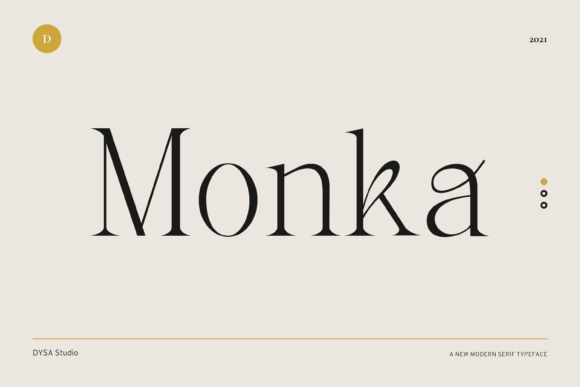
There’s something about a well-chosen font that can elevate a handmade product from good to unforgettable. I was working on a set of candle labels the other day when I stumbled upon Monka, and it felt like the perfect fit. Its clean lines and elegant curves brought a refined touch to every label I designed.
Monka is a modern serif font with a timeless appeal. It balances structure with softness, making it ideal for both digital and physical projects. Whether I’m printing labels or designing a greeting card, Monka adds a sense of sophistication without feeling too formal.
Monka in Action: From Labels to Stationery
I started by testing Monka on a batch of soy candle labels. The font’s subtle swashes and consistent stroke weights gave each label a polished look. It worked especially well with my minimalist packaging style, where every detail matters. The font didn’t overpower the design but instead complemented the natural textures of the candles.
For a seasonal project, I used Monka on farmhouse-style signs. The font’s elegance paired beautifully with rustic wood backgrounds. It added a touch of class to simple phrases like “Welcome Home” or “Seasons Greetings.” I found that Monka works best with short, impactful text—perfect for signs, stickers, and signage.
When designing wedding invitations, Monka became my go-to choice. Its refined look gave the stationery a classic feel while keeping the design modern. I paired it with a simple sans serif for body text, which created a balanced contrast. The result was a design that felt both elegant and approachable.
Monka for Digital and Physical Products
As a printable creator, I often think about how a font will look in different formats. Monka holds up well in digital downloads, whether it’s for a planner page or a wall art print. The font’s clarity makes it easy to read on screens, and its visual personality shines through in printed materials.
For product tags and boutique packaging, Monka adds a level of professionalism. I’ve used it on tote bags and mugs, where the font’s legibility and style make a strong impression. It’s also great for small stickers or custom labels, as long as the text isn’t too long. The font’s details can get lost if the size is too small, so I always test it at different sizes before finalizing a design.
One of the things I love about Monka is how it can be adapted for different uses. Whether I’m creating a holiday tag or a digital template preview, the font maintains its character. It’s versatile enough to work with a range of design styles, from modern to vintage.
Pairing Monka with Other Fonts
Font pairing is an important part of any design process, and Monka pairs well with a variety of other typefaces. For a more contemporary look, I often pair it with a clean sans serif like Montserrat or Lato. This creates a nice balance between the structured elegance of Monka and the simplicity of the sans serif.
When working with handwritten or script fonts, Monka provides a nice counterpoint. It helps keep the design from looking too chaotic, especially when used for titles or headings. I’ve used it alongside a soft script font for wedding invitations, where the combination felt both personal and polished.
If I’m designing a logo or a display piece, Monka can stand alone as a bold, eye-catching font. Its weight and shape make it suitable for headlines, banners, and other decorative elements. However, it’s not ideal for long paragraphs of text, as its intricate details can reduce readability at smaller sizes.
Considerations for Commercial Use
Before using Monka in commercial projects, it’s important to check the licensing terms. If I’m selling physical products, printables, or digital downloads, I always make sure the font allows for those uses. Monka includes multiple weights and styles, which gives me flexibility in design.
It’s also worth noting that Monka supports multilingual characters, which is helpful if I’m creating content for international audiences. The font’s alternates and ligatures add a level of customization, allowing me to fine-tune the look of my designs.
For anyone using cutting machines like Cricut or Silhouette, Monka is a reliable choice. Its clean outlines make it easy to cut, and the font’s details don’t interfere with the machine’s performance. I’ve used it for sticker sheets and custom labels without any issues.
Monka in Everyday Crafting
From birthday invitations to printable wall art, Monka has become a staple in my design toolkit. It’s a font that feels both professional and personal, making it perfect for handmade businesses that want to maintain a consistent brand identity.
Whether I’m designing a seasonal product or preparing a shop listing, Monka brings a sense of quality to every project. Its versatility, readability, and visual appeal make it a valuable addition to any creative workflow.
As I continue to explore new ways to use Monka, I’m always impressed by how it enhances the overall look and feel of my handmade creations. It’s more than just a font—it’s a tool that helps bring my vision to life with style and clarity.